 01 // MULTI-DOMAIN MODELING
01 // COUPLED ASSESSMENT
Understand what drives the outcome.
Understand the result. Challenge what drives it.
Explore combat modelingARGUS / Combat Modeling & Sustainment Analysis
Explore the engagement. Understand what sustains it.

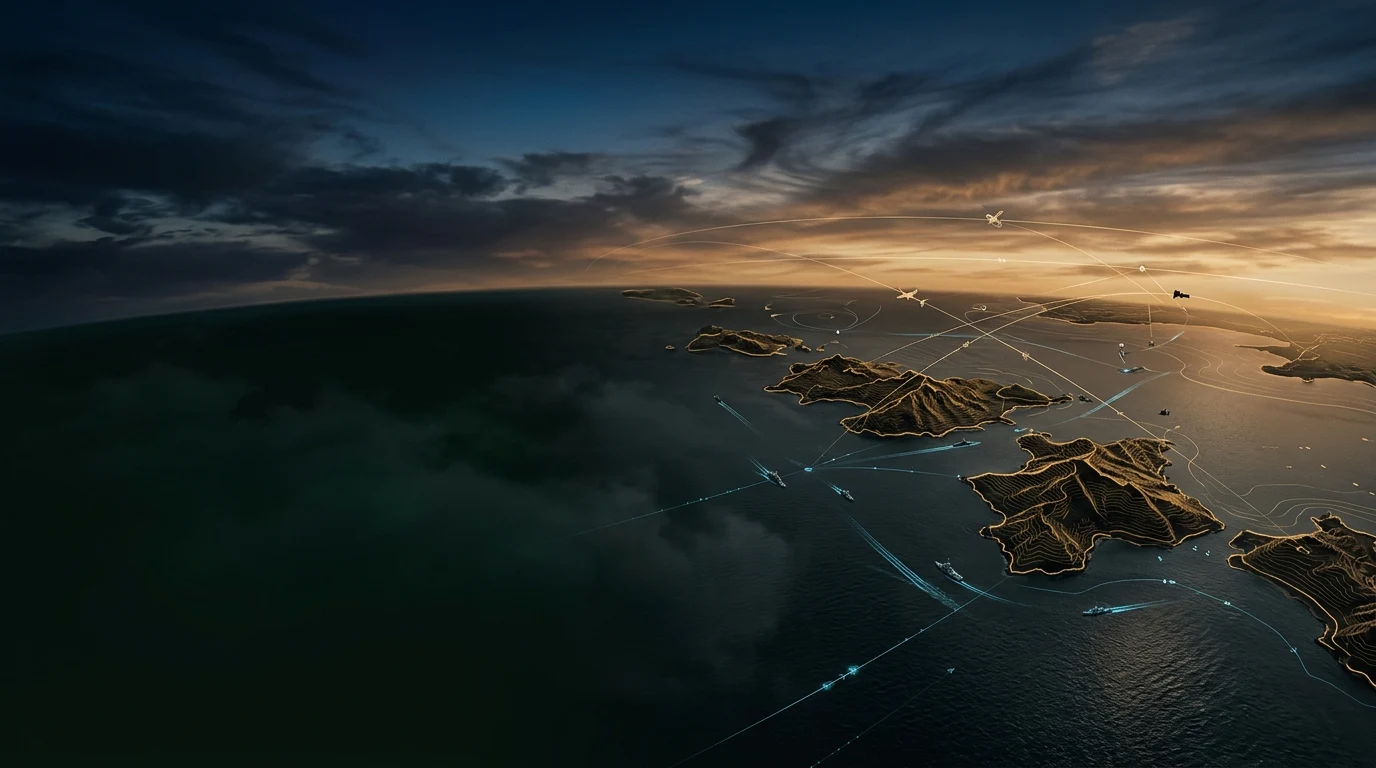
Narration: “A decision on land can depend on the picture at sea, on what’s overhead and on the networks connecting it all. ARGUS is being built to connect combat forecasting and wargaming across land, air, sea, cyber, and space. Bring the operating picture into focus. Explore alternative courses of action. Use AI-assisted analysis to examine the scenario. Turn the reasoning into reviewable reports. Evidence informs people as they decide, and ARGUS brings clarity under pressure.”
AI-generated product-vision film. A coastal convoy, naval and air imagery, network equipment, and a satellite lead into concept screens for an operating picture, alternative courses of action, AI-assisted analysis, and reviewable reports. People review the information. On-screen titles close with “Evidence informs. People decide.” and “ARGUS. Clarity under pressure.”
02 / Inside ARGUS
Illustrative
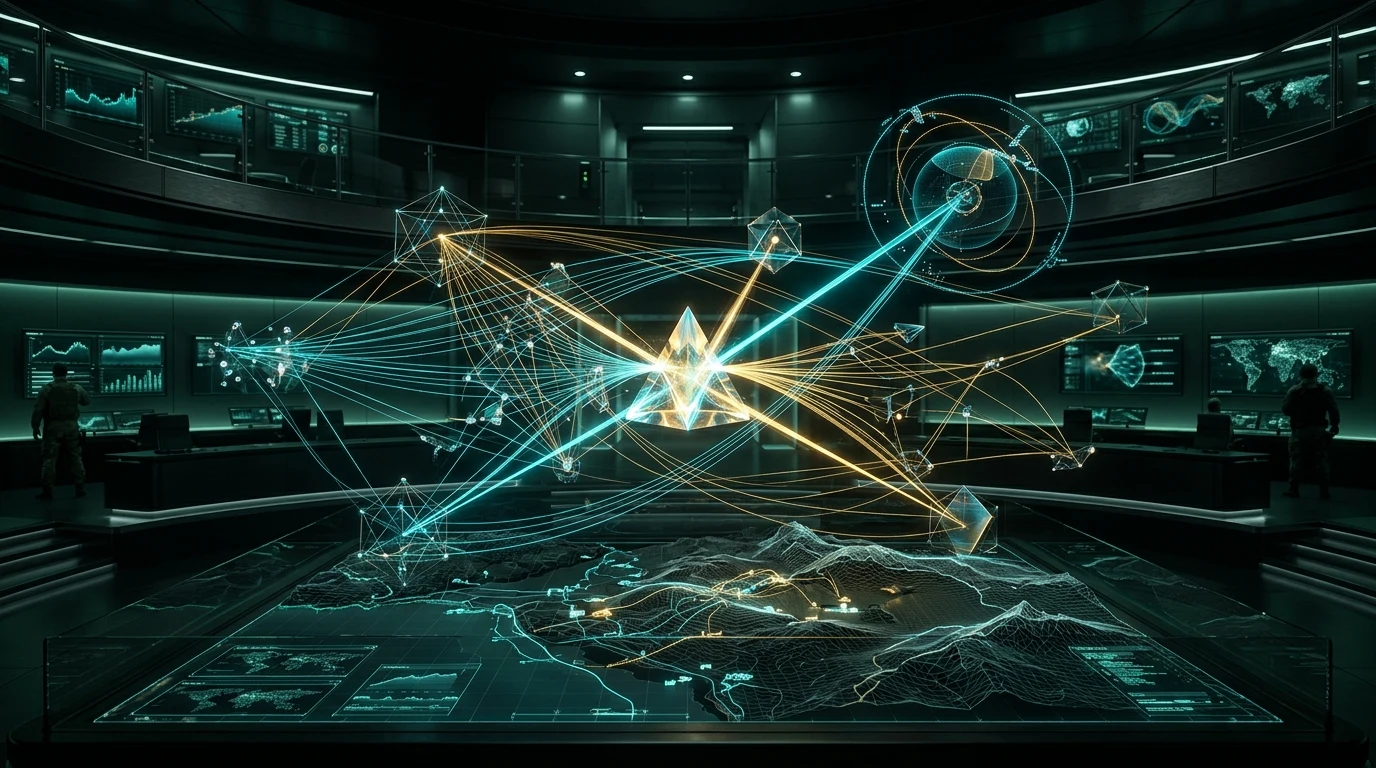
Multi-domain command theatre
 01 // MULTI-DOMAIN MODELING
Understand the result. Challenge what drives it.
Explore combat modeling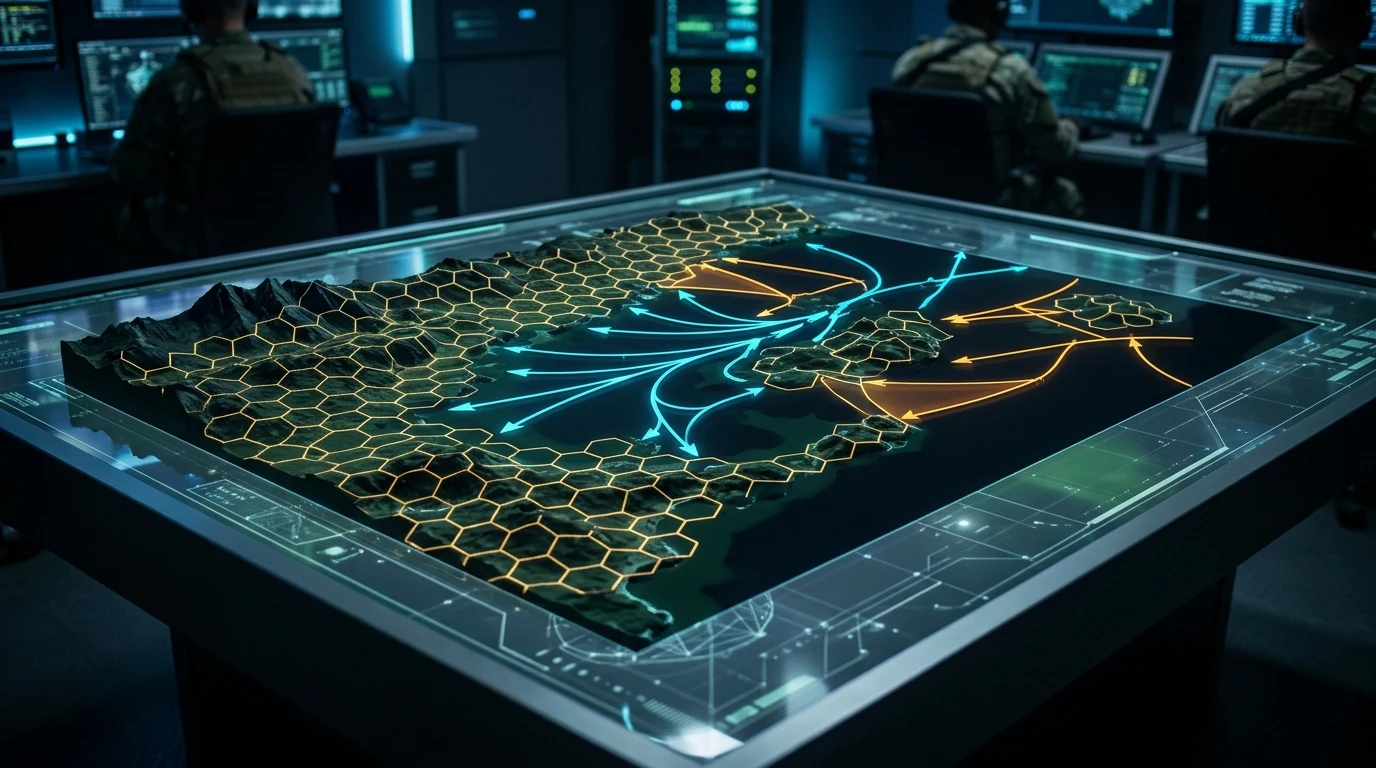 02 // ANALYTICAL WARGAMING
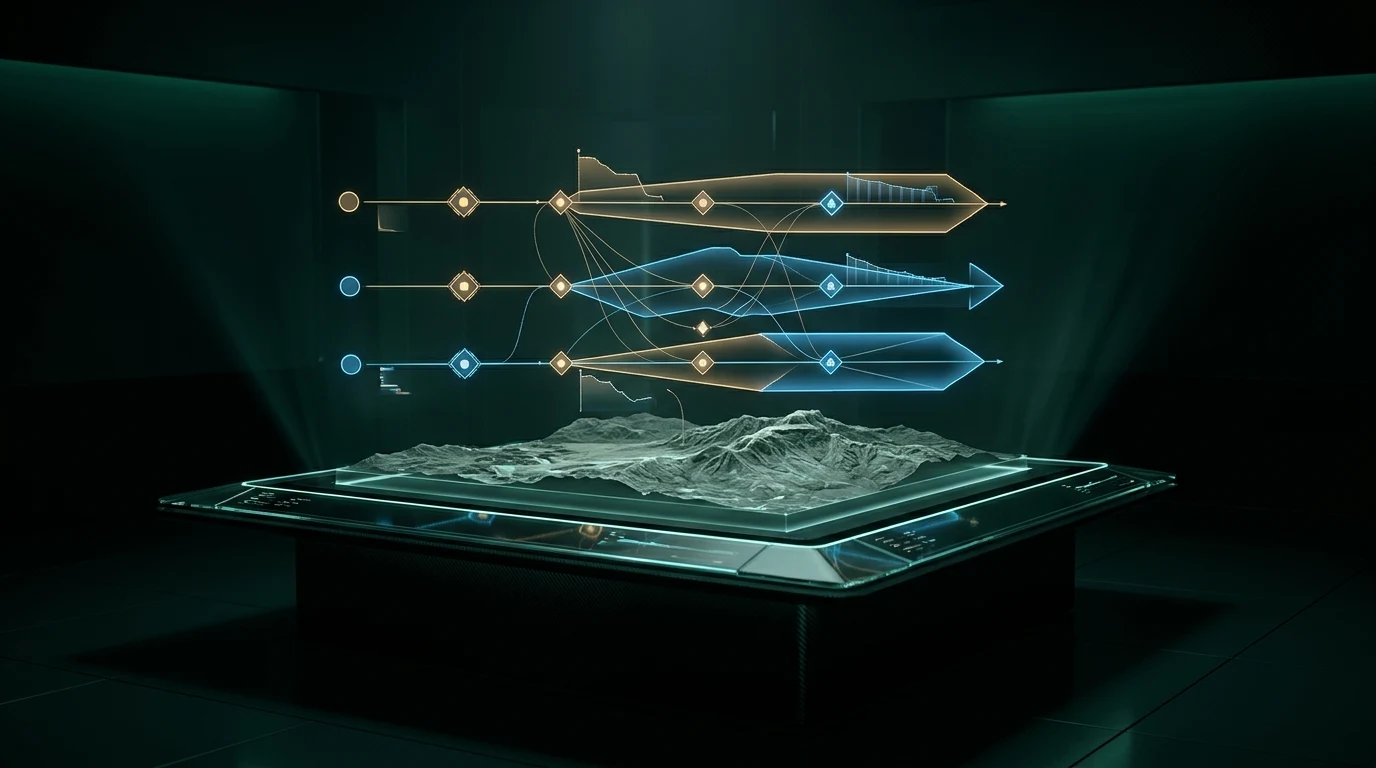 03 // DECISION BRIEF & COA
Make the evidence behind each analysis available for review.
Read the capability briefINSIDE THE ARGUS COMBAT ENGINE
Follow a question through the combat engine — from the analyst’s intent to an assessment that connects the domains.
Land / Air / Sea / Cyber / Space / Cognitive warfare
Select a model family to examine its part in the analysis.
Model architecture · Illustrative imagery
Selected model · ACE-03 // NVL
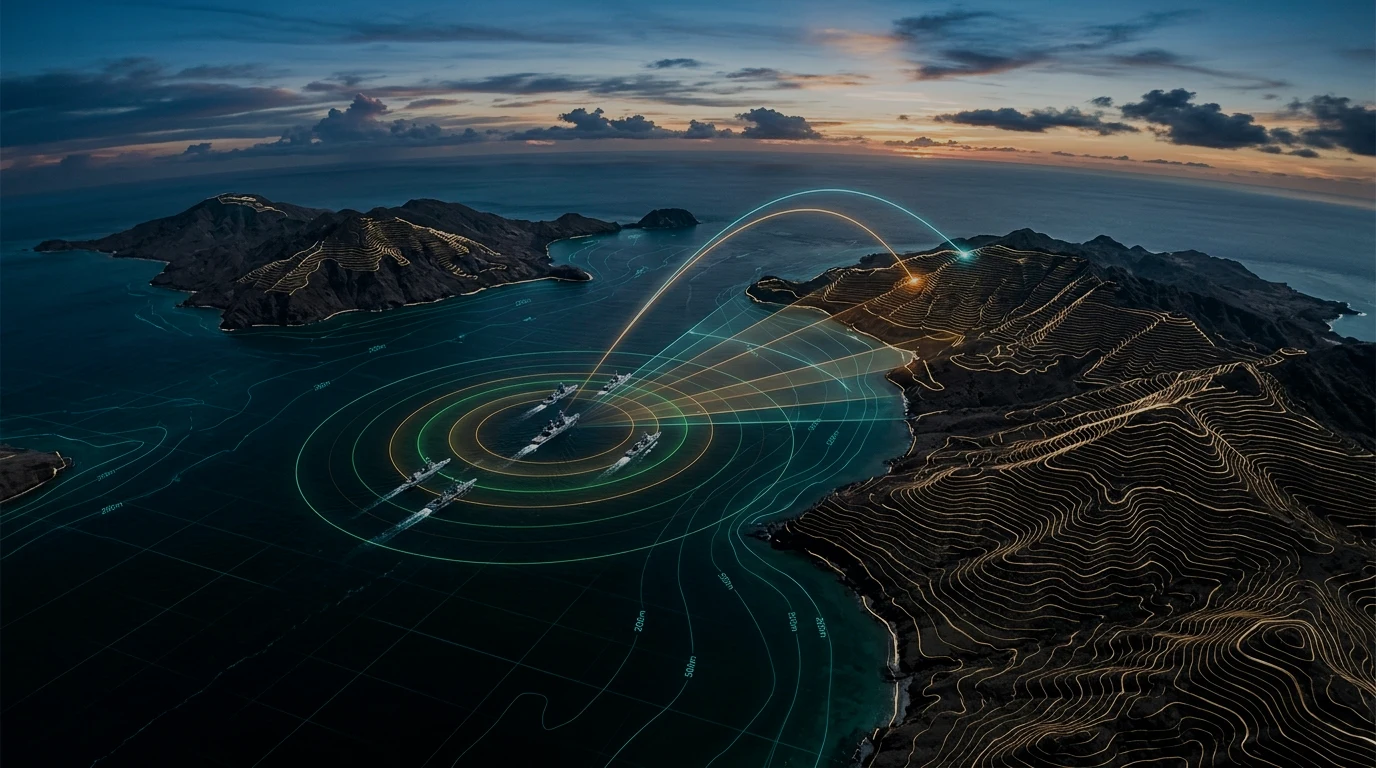
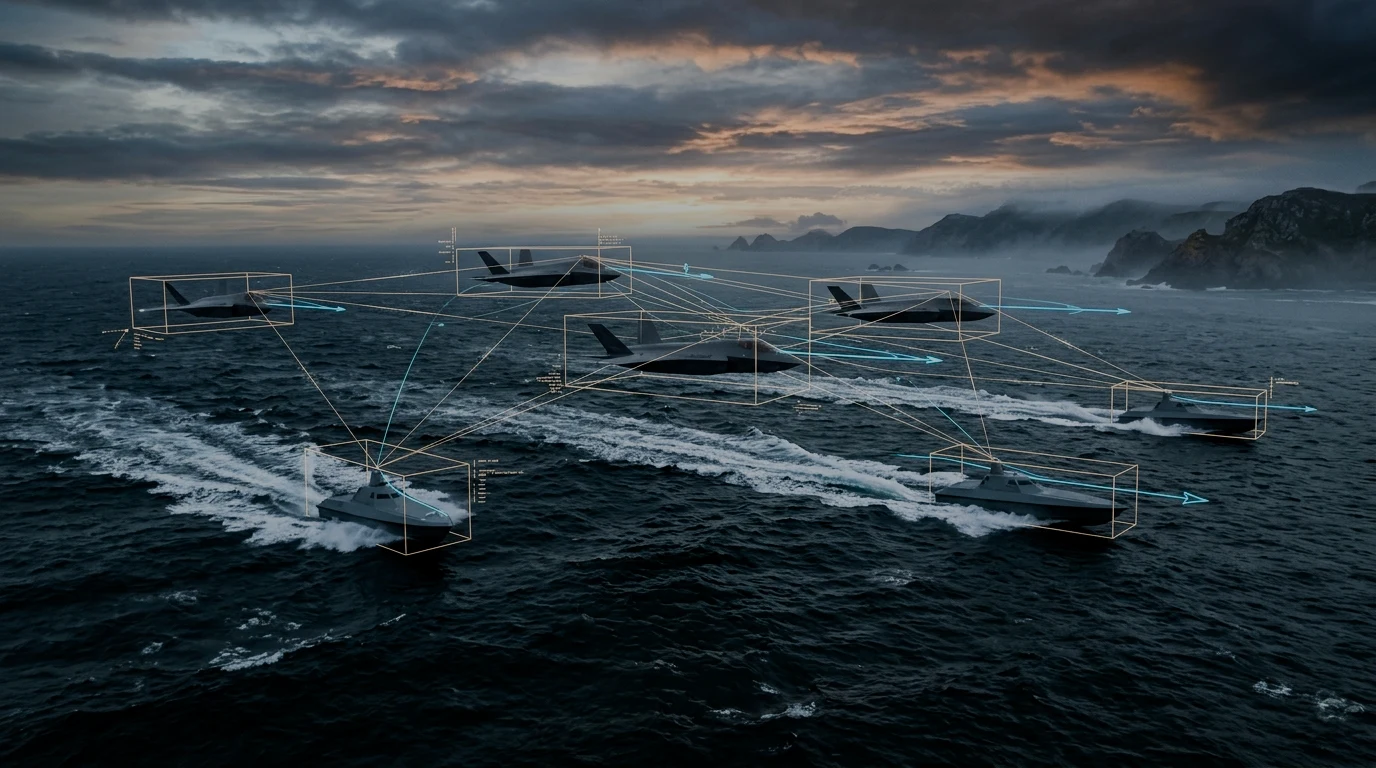
How do offensive firepower, defensive capacity, and staying power shape a naval exchange?
What the model considers
The ARGUS perspective
Examine whether offensive strike packages, air-defense domes, and maneuver formations achieve their immediate objective under declared sensor and electronic-warfare assumptions.
Identify the exact turn or hour where interceptor canisters, Class III bulk fuel, or mountain highway throughput become the binding constraint on the campaign plan.
Connect battle damage, attrition rates, and munition burn to replacement lead times and force-design trade-offs before committing to a course of action.
ARGUS connects the two.
Read our perspectiveThe ARGUS Combat Data Ecosystem
Twelve research databases and a naval system of record.
Built by historians and engineers, one source at a time.
Featured research
Historical engagements, forces, equipment, and outcomes — with the source evidence behind them.
Study individual engagements with traceable sources, evidence gaps, and differing accounts in view. Built to support quantitative research and model calibration.
Ask about this collection
Unit records linking campaign chronology, forces, and outcomes.
Campaign chronology, unit organization, strength observations, and operational context connecting individual engagements to the wider campaign.
Ask about this collection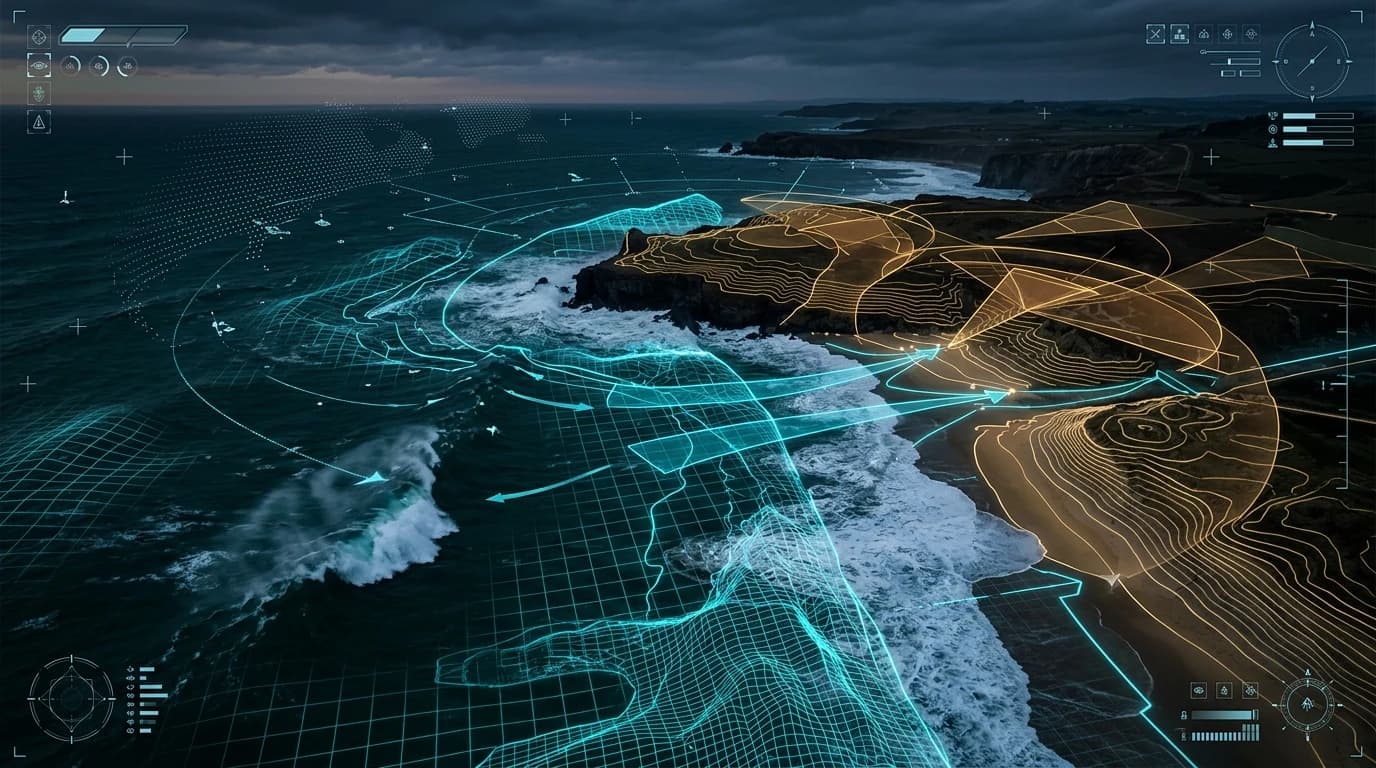
Opposed landings: forces, terrain, sea state, and outcomes.
A historical research collection for comparative study of amphibious operations, with traceable operation records and source-linked research tables.
Ask about this collection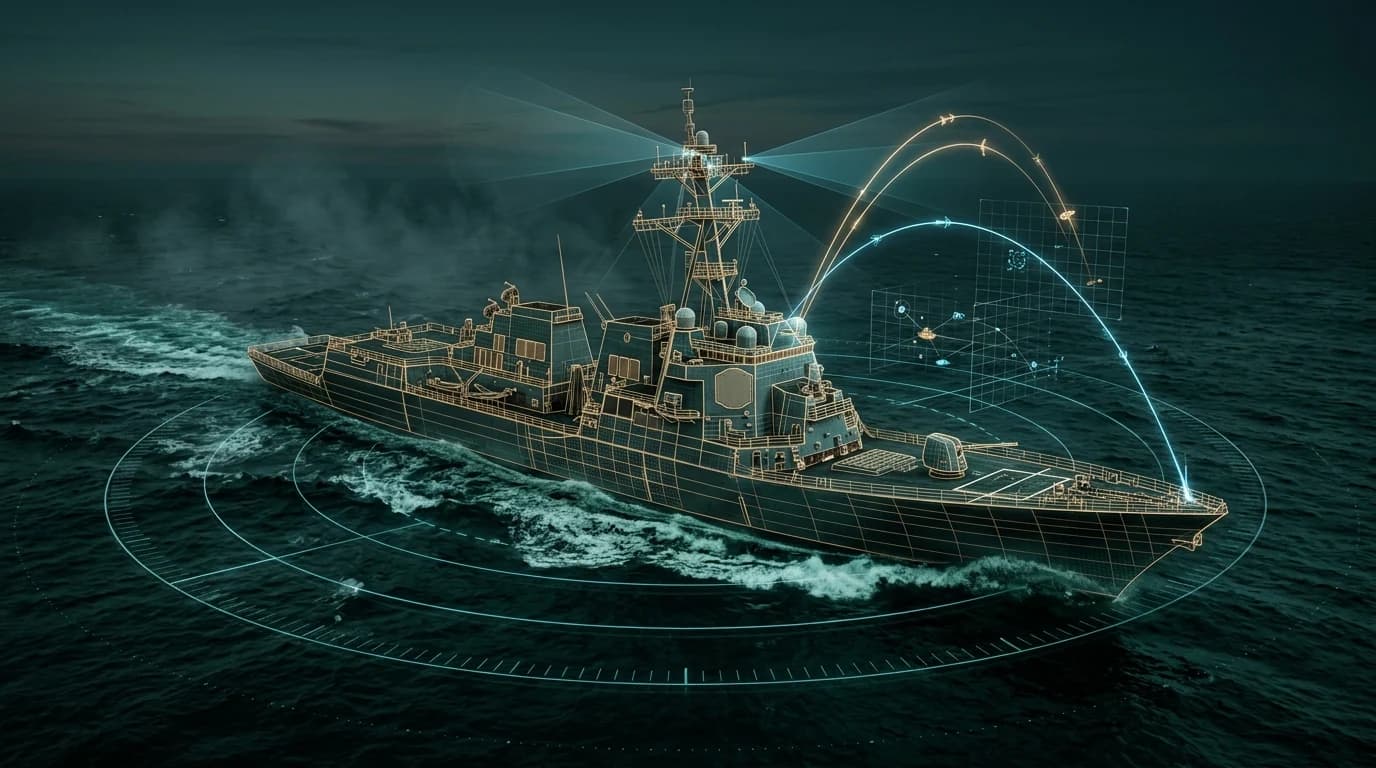
Fleet engagements, ship-level outcomes, and damage records.
ARGUS naval research connects historical collections, reference data, and source evidence in one system of record. Dataset evidence and modeled outcomes retain their distinct status.
Ask about this collection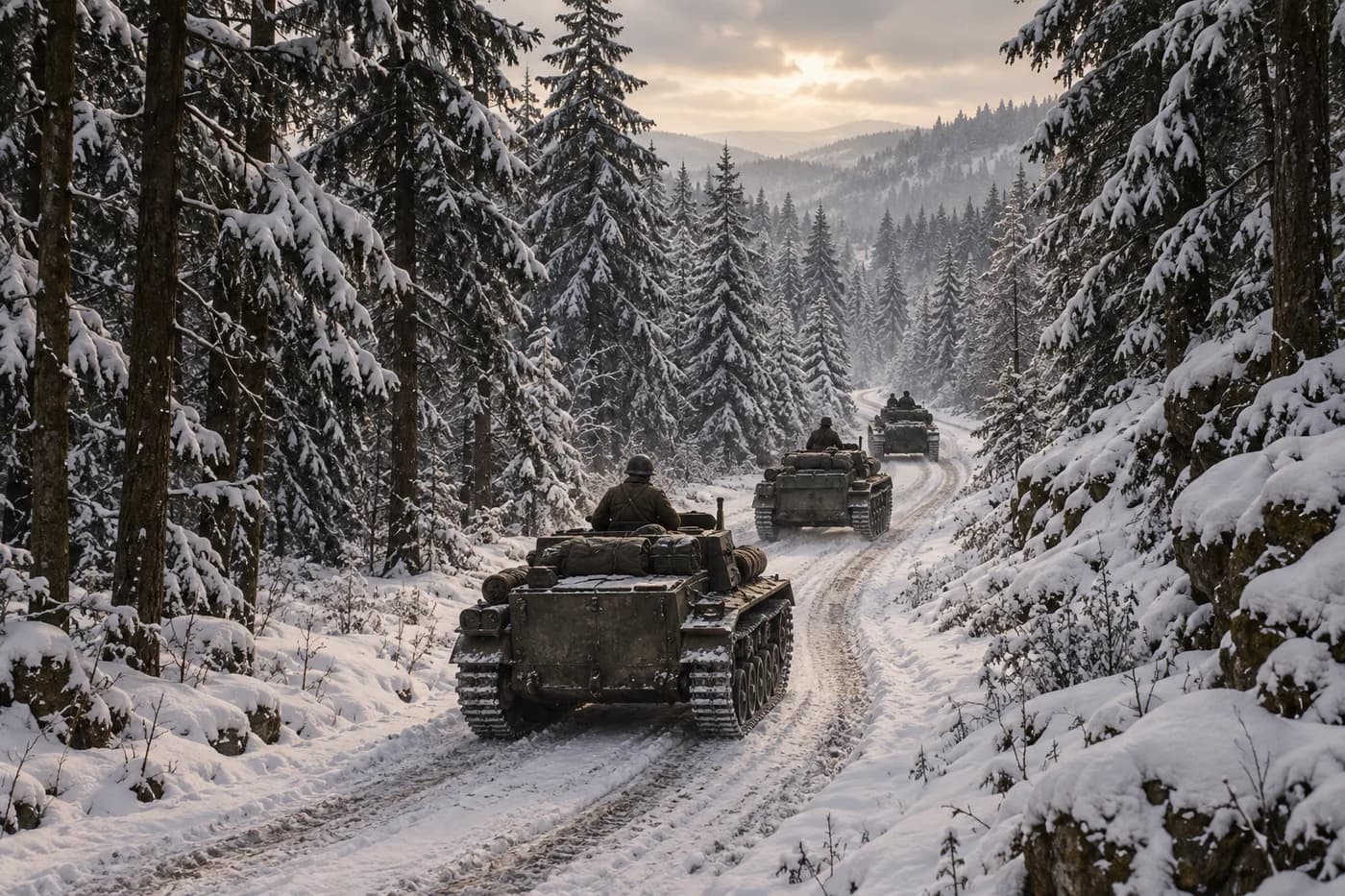
Campaign research
The Battle of the Bulge at division and daily resolution: strength, losses, posture, position, and supply.
A unit-day research program connecting both sides of the campaign through dated observations and source evidence.
Ask about this collection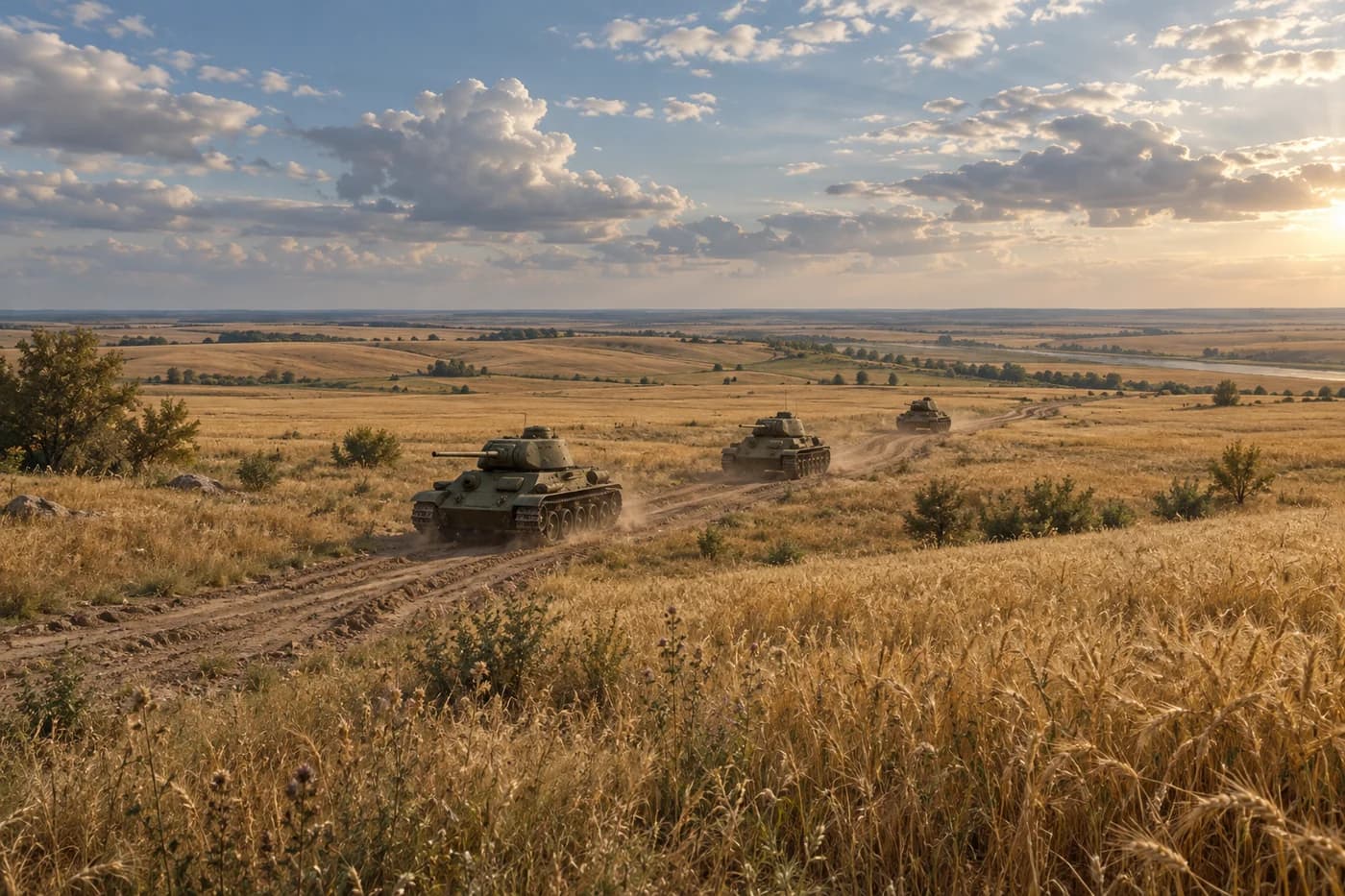
Campaign research
The southern pincer at Kursk, division by division and day by day. A record for studying attrition and tempo under prepared defense.
Daily unit observations, force and loss records, operational context, and the source material behind the reconstruction.
Ask about this collection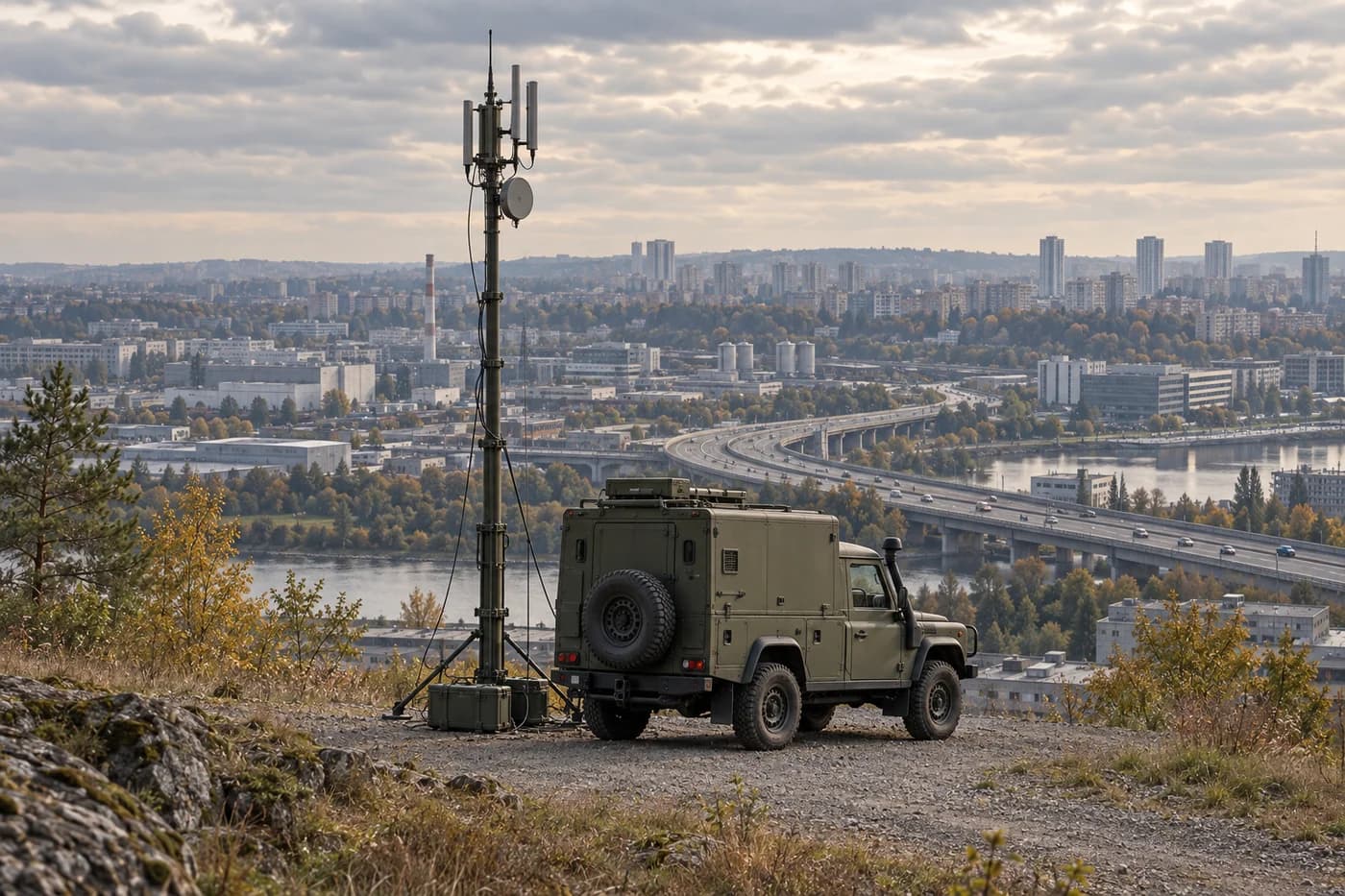
Contemporary history
Conflict identities from 1990 onward linked to event records and case studies, including research on Ukraine since 2022.
Connects conflict-level context, event observations, and engagement research while retaining each source’s coverage and limitations.
Ask about this collection
Conflict research
Insurgencies, interventions, and stabilization operations, organized around actors, external support, sanctuary, and outcomes.
Examine multi-party conflicts through source-based records that distinguish documented events from interpretation.
Ask about this collection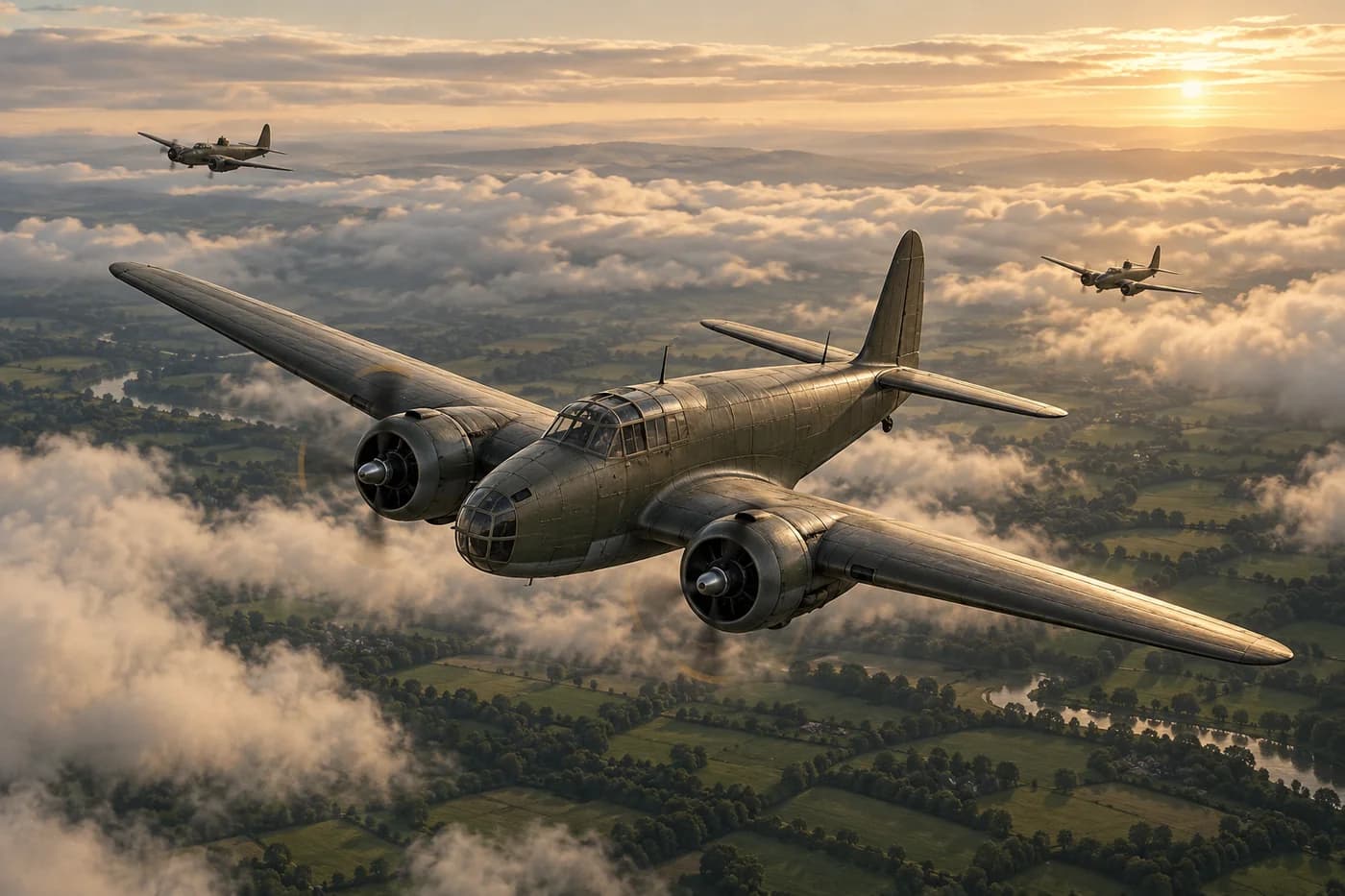
Air effects research
Sortie, strike, and damage records alongside related ground engagements.
A research collection examining air activity alongside observed effects and source evidence. Coverage and release status are available from the team.
Ask about this collection
Terrain and context
Urban and conurban engagements studied alongside open-terrain cases to examine duration, casualties, and outcomes.
Compare engagements across different environments, with clear selection criteria and limits on what the evidence can explain.
Ask about this collection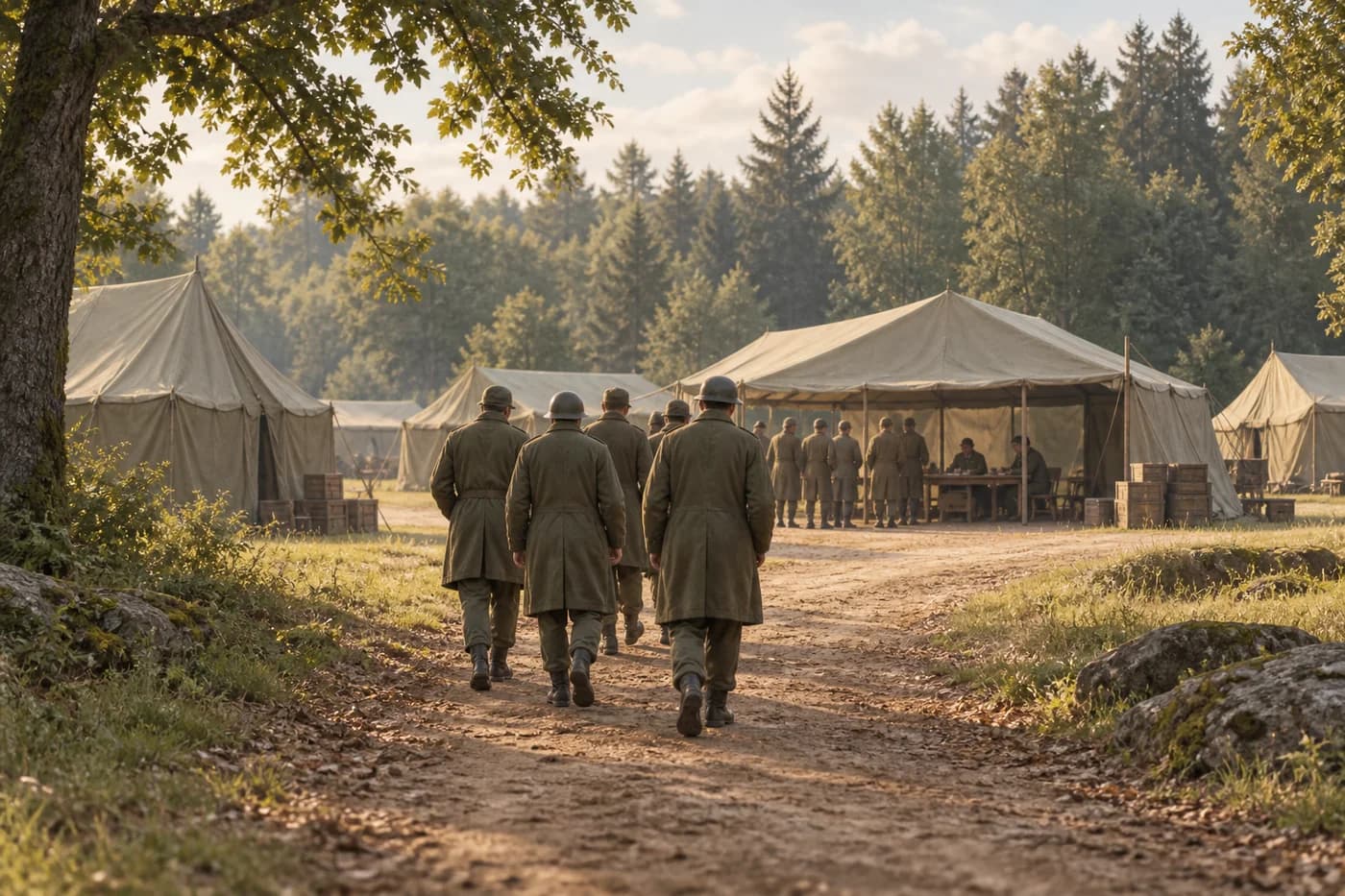
Prisoners and surrender
Prisoner-of-war and capture records across scales of engagement, preserving the context of surrender and force collapse.
Compare documented captures and surrender events with their original sources in view. Historical observations remain distinct from model estimates.
Ask about this collection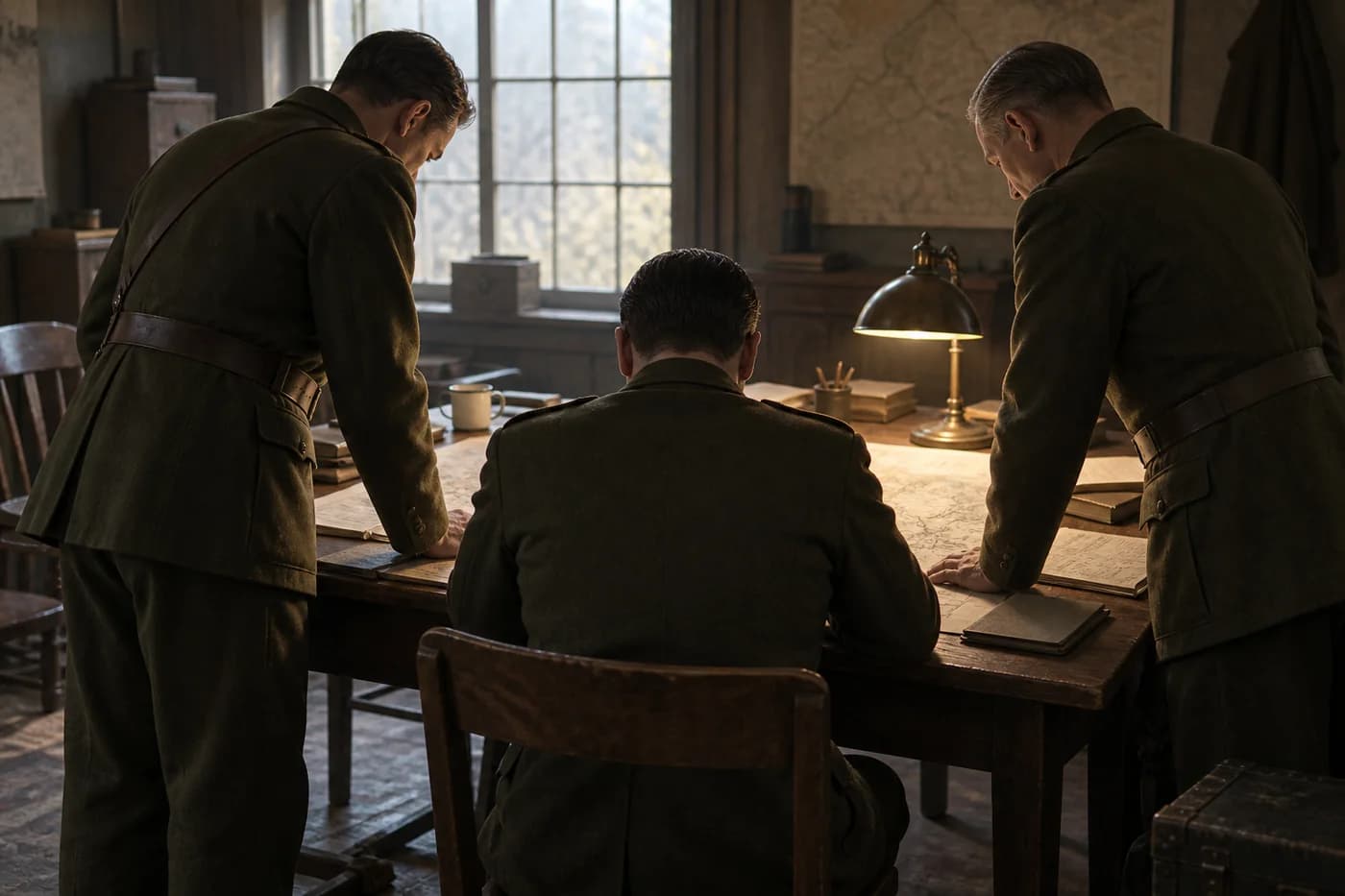
Human factors research
Command episodes connecting leaders, units, and outcomes, with training, experience, and organizational change over time.
Research on leadership and human factors. Discuss sources, coverage, and access with our team.
Ask about this collection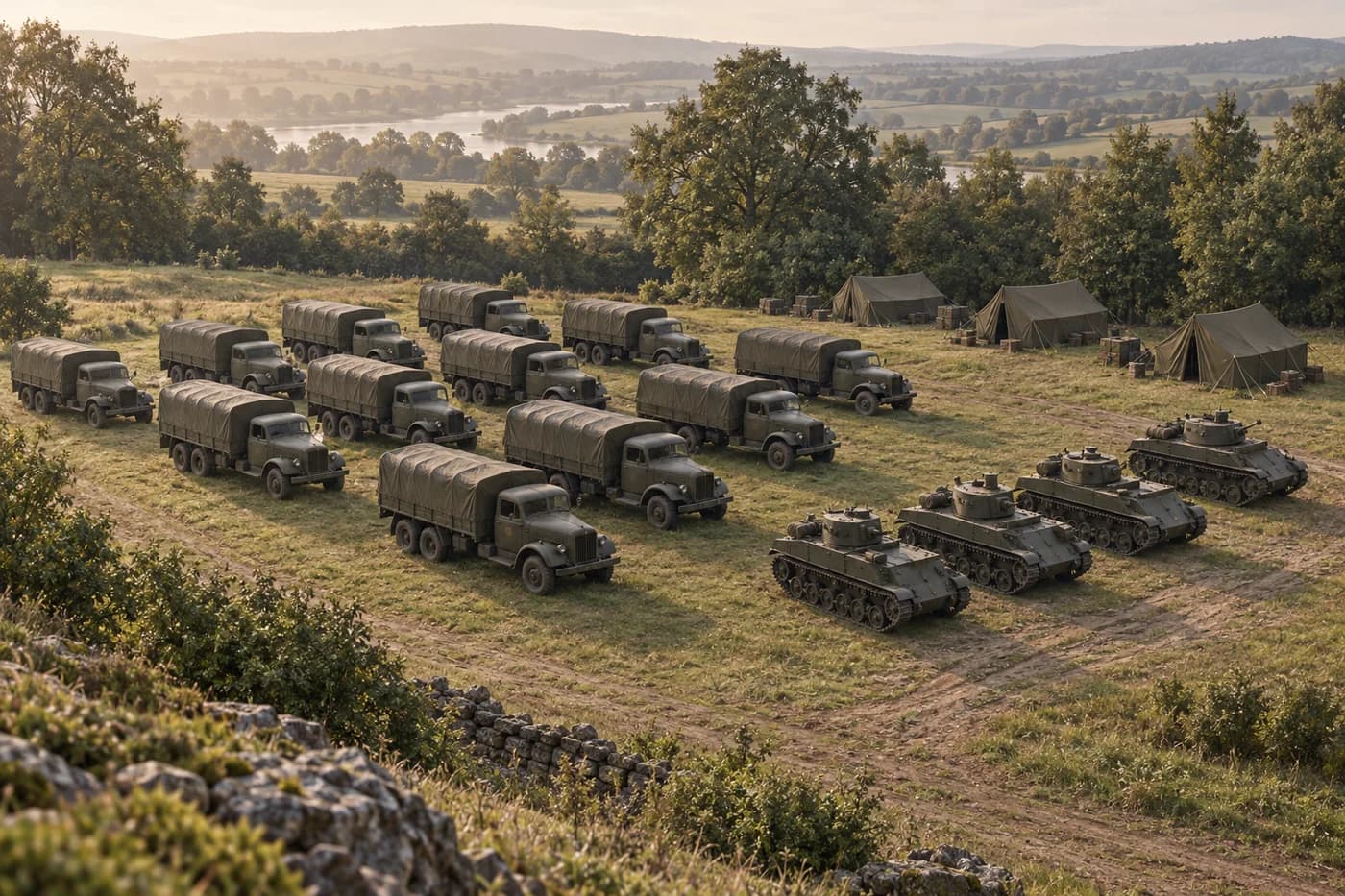
Forces through time
Formations, subordination, equipment, and strength over time. The organizational record of who was there, with what.
Trace formations, equipment, and strength across historical records, with the documents and citations behind each account.
Ask about this collectionDiscuss research coverage, sources, and access for your study with the ARGUS team.Collection artwork is illustrative, not archival evidence.
Explore historical researchThe people behind ARGUS
Platform builders, data architects, operations researchers, and historians. A team working across disciplines to make complex evidence useful.

Chief Executive Officer & Co-Founder
A veteran and retired law enforcement officer with a master’s degree in public administration, Keegan brings a career of public service to ARGUS. He leads product development, platform engineering, and company strategy, connecting practical experience with the research and technology that help decision-makers evaluate complex problems.

Chief Data Officer & Co-Founder
Brings 25 years of IT and business intelligence leadership, with expertise in data modeling, database architecture, forecasting, and geospatial analytics. Holds an MBA in supply chain management and logistics.

Program Manager & Modeling and Simulation Lead
An operations research analyst and program manager with more than 30 years of experience across military domains. His background includes NATO, joint staff exercises, and large simulation programs.

Director of Historical Research & Strategic Analysis
A military historian and strategic analyst whose work spans archival research, irregular warfare, and geopolitical analysis. Previously served with the U.S. Army Center of Military History.
The next decision
What must be replenished? What must be replaced? What can be afforded repeatedly?
Bring your operational question or force concept. Walk through the relevant models, evidence, and assumptions with the ARGUS team.
Talk directly with Keegan