

UNCLASSIFIED
Skip to main content

See the whole fight.
Before it starts.

From tactical outcomes to strategic questions.
Combat analysis, sustainment planning, and the evidence behind each decision.

The ARGUS perspective

Tactical success asks whether it works. Strategic success asks whether it can be sustained, replaced, and afforded.

ARGUS connects the two.

Read our perspective

The whole platform

One platform.
Two horizons.

Start with the engagement. Examine the demands it creates. Ask what it takes to keep a force effective over time.

Bring combat estimates, wargaming, sustainment planning, and historical evidence into one analytical workspace. Keep sources, assumptions, and human judgment attached to the decision.

Explore the capabilities
No domain stands alone.
A cinematic introduction to ARGUS across sea, air, land, the spectrum, and orbit.Open film
Read the film transcript

Narration: “War isn’t fought in one domain. It’s fought in all of them. Sea. Air. Land. And every mile between. Cyber. Space.” Music accompanies views of Earth, a destroyer, a carrier launch, a logistics convoy, missile launches, radar, and a satellite.

On-screen titles read “One engine. Every consequence.” and “ARGUS. Combat Forecasting Engine.” The closing narration is “Anticipate. Analyze. Outmaneuver.” AI-generated concept film.

  1. 01

    Observe

    Build the operational picture.

  2. 02

    Wargame

    Explore the alternatives.

  3. 03

    Estimate

    Examine the assumptions.

  4. 04

    Sustain

    Review supply and endurance.

  5. 05

    Explain

    Follow the evidence.

  6. 06

    Decide

    Compare the consequences.

Unclassified analysis · Human-led decisions

The ARGUS wargame

Play it forward.
Learn from
every turn.

Develop a scenario, commit orders, inspect the adjudication, and review what happened. Explore alternatives with the assumptions and model status in view.

  • Scenario authoring and order-of-battle workflows
  • Turn-based play with instructor-controlled Red variations
  • Alternative plans and assumptions to compare
  • After-action review linked to the analysis record
Explore wargaming
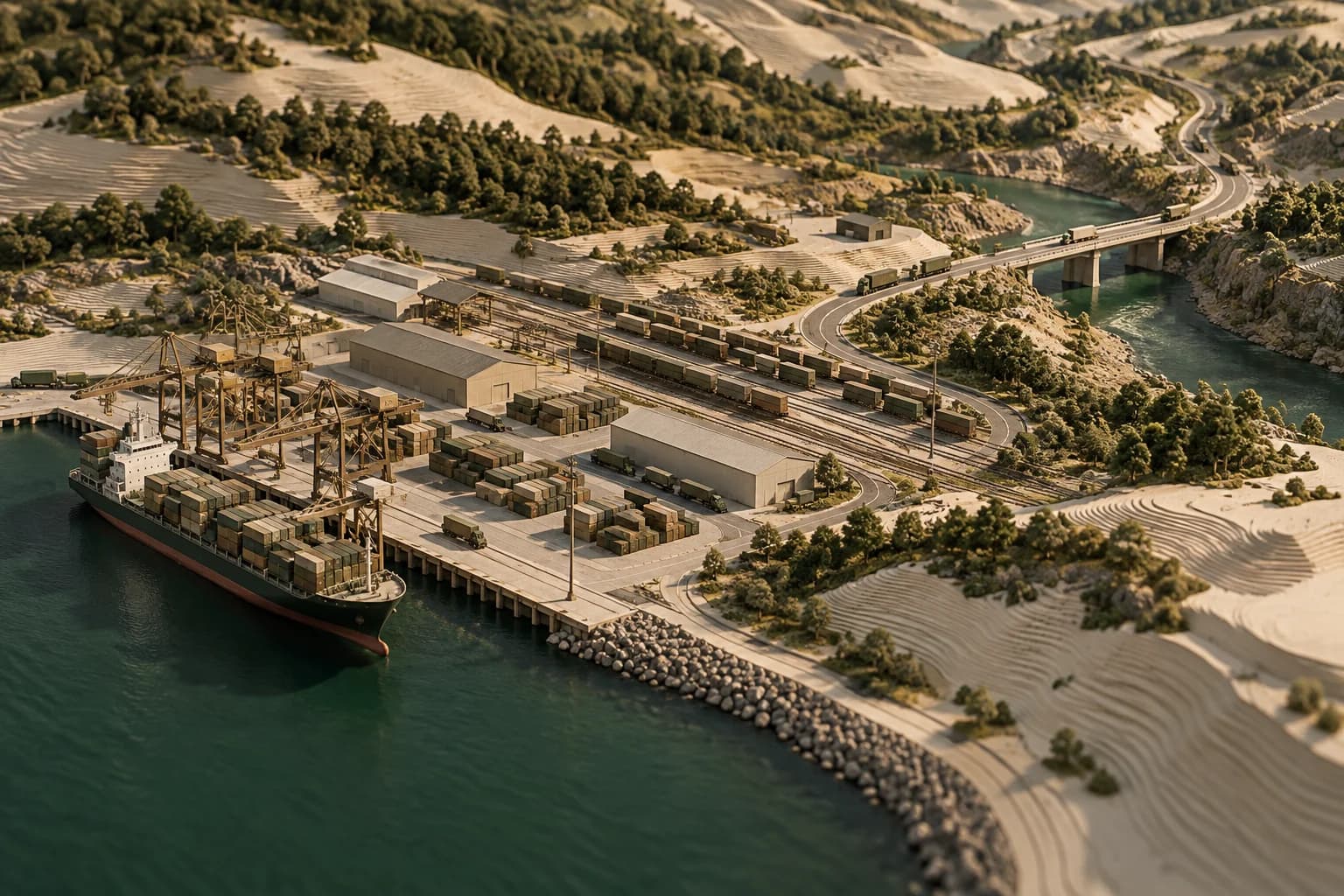
Sculpted archival terrain at the meeting of land and sea
Operational questions span land, air, sea, subsurface, cyber, and space.

Logistics & sustainment

Can the force
sustain the plan?

Every engagement draws on a finite force.

Fuel, ammunition, and resupply shape how long a plan can hold. Compare starting stocks and expenditure, identify projected shortfalls, and examine the assumptions behind the balance.

An illustrative terrain model connects a cargo harbor, railhead, and inland supply route.
From port to formation. A study in sustainment.Illustrative artwork

Planning questions

  • See where supply falls short.

    Identify the first projected shortfall and the supply class behind it. Keep fuel, ammunition, and other requirements distinct.

  • Explore the trade-offs.

    Compare starting stocks, resupply, and estimated expenditure to understand how planning assumptions change projected balances.

  • Make the result reviewable.

    Keep source references and analyst assumptions with saved planning versions, so reviewers can follow the reasoning.

Try a supply-planning example

Change the resupply. See the constraint.

Adjust one assumption to see the projected balance change. These are illustrative inputs, not observed supply data.

Starting stock
100
Estimated expenditure per turn
30
10

Sample units

Projected stock balance
TurnBalance
180
260
340
420
50
6-20

First shortfall: Turn 6

A negative balance shows unmet demand. This illustrative planning example does not predict combat effects.

Carry the supply question into the wider decision: what must be replenished, replaced, or funded to sustain the approach?

Supply-chain expertise. Operations-research depth.
Explore logistics and sustainment

ACE

ARGUS Combat Engine (ACE)

What changes the outcome?

Explore force comparisons and the assumptions behind each estimate. Examine what changes the outcome before asking what it would take to sustain it.

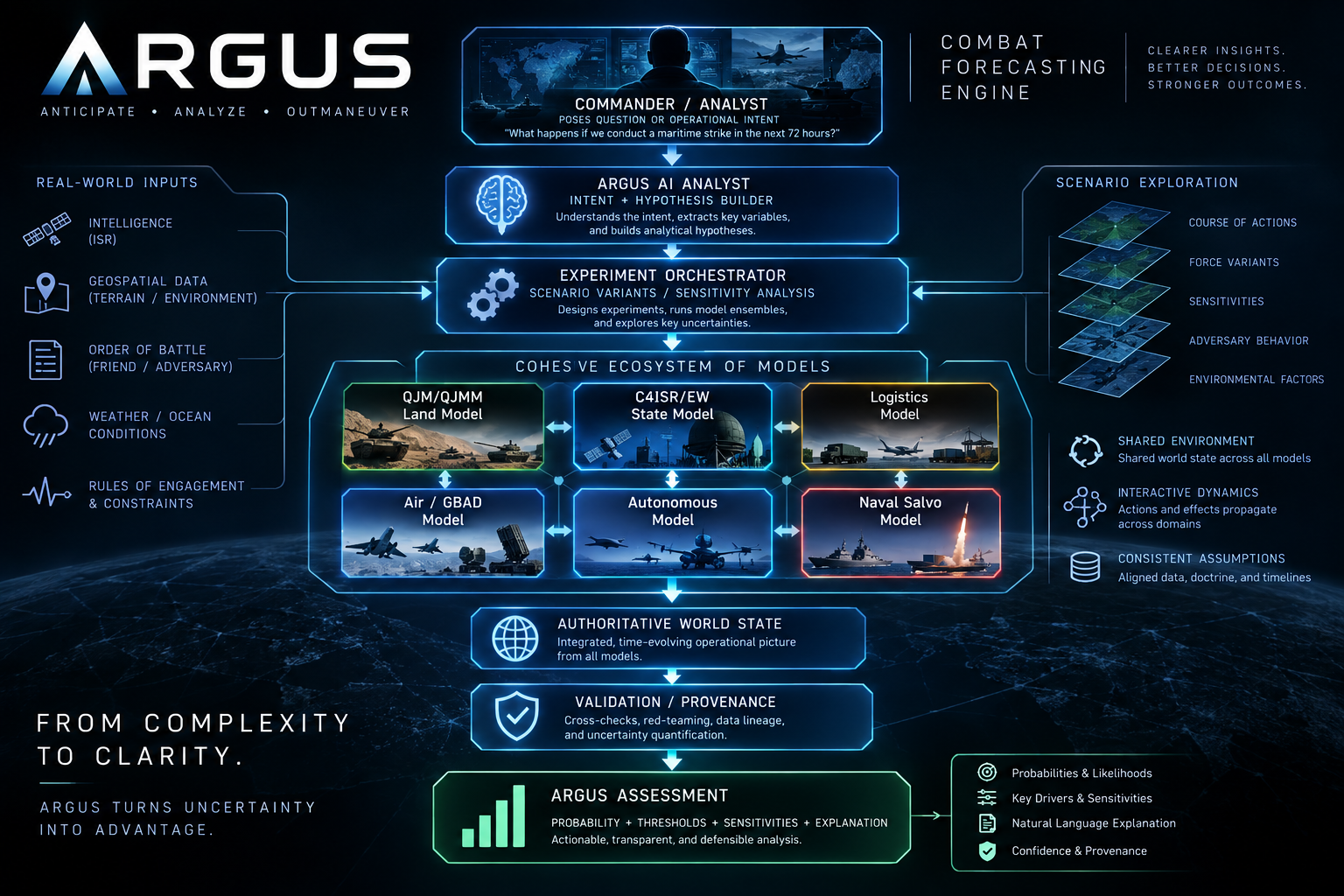
ARGUS Combat Engine diagram: analyst intent, scenario exploration, six model families, shared world state, validation, and assessment.
ARGUS Combat Engine (ACE)View full-size diagram
Read the diagram description

The diagram follows a commander’s question through the ARGUS AI Analyst and scenario exploration to six model families: land, C4ISR/EW, logistics, air and ground-based air defense, autonomous systems, and the Naval Salvo Model.

The inputs shown include intelligence, geospatial data, order of battle, weather and ocean conditions, and rules of engagement.

The flow continues through a shared operational picture, validation and provenance, and an ARGUS assessment presenting probabilities, thresholds, sensitivities, and explanations.

Know what the model supports

Understand the model behind the result, the assumptions it uses, and the evidence supporting it.

Assumptions you can examine

Change an assumption and examine how it affects the estimate.

Evidence available for review

Follow the model and data record behind the analysis. Validation is specific to the model, domain, and question.

Explore combat modeling

The connected workflow

The context around
every estimate.

Move from the map to the question,
and from the analysis to the brief.

The ARGUS Analyst

An AI analyst grounded in the record.

Ask what happened, why an estimate moved, or where sources disagree. The ARGUS Analyst is designed to explain the evidence and help draft a brief with citations attached. The analyst reviews the work and retains decision authority.

  • Source-grounded questions and explanations
  • Sources and assumptions alongside the answer
  • Human review of generated analysis
Discuss this capability
The operational picture

A world with context.

Bring geography, forces, events, and approved live feeds together on a 3D globe. Terrain, weather, and maritime context belong alongside the scenario, with source and freshness visible to the analyst.

  • Maritime, air, fires, and event layers
  • Terrain and weather context
  • Source-aware geospatial research
Discuss this capability
Plan, brief, report

Carry the analysis into the brief.

Develop missions and courses of action, define the order of battle, and review alternatives against declared criteria. Build decision briefs, exercise products, and after-action reports from the analysis record.

  • Mission and course-of-action workflows
  • Briefing and study products
  • Linked decisions, assumptions, and supporting evidence
Discuss this capability
Connect & deploy

Fit the way your team works.

Connect ARGUS with the maps, scenarios, and data your team uses. Work with us to define integration and deployment around your operating environment and evaluation needs.

  • Geospatial and scenario exchange
  • Customer-defined integration scope
  • Discuss deployment requirements with our team
Discuss this capability

The ARGUS Combat Data Ecosystem

Research with depth.

Twelve research databases and a naval system of record.
Built by historians and engineers, one source at a time.

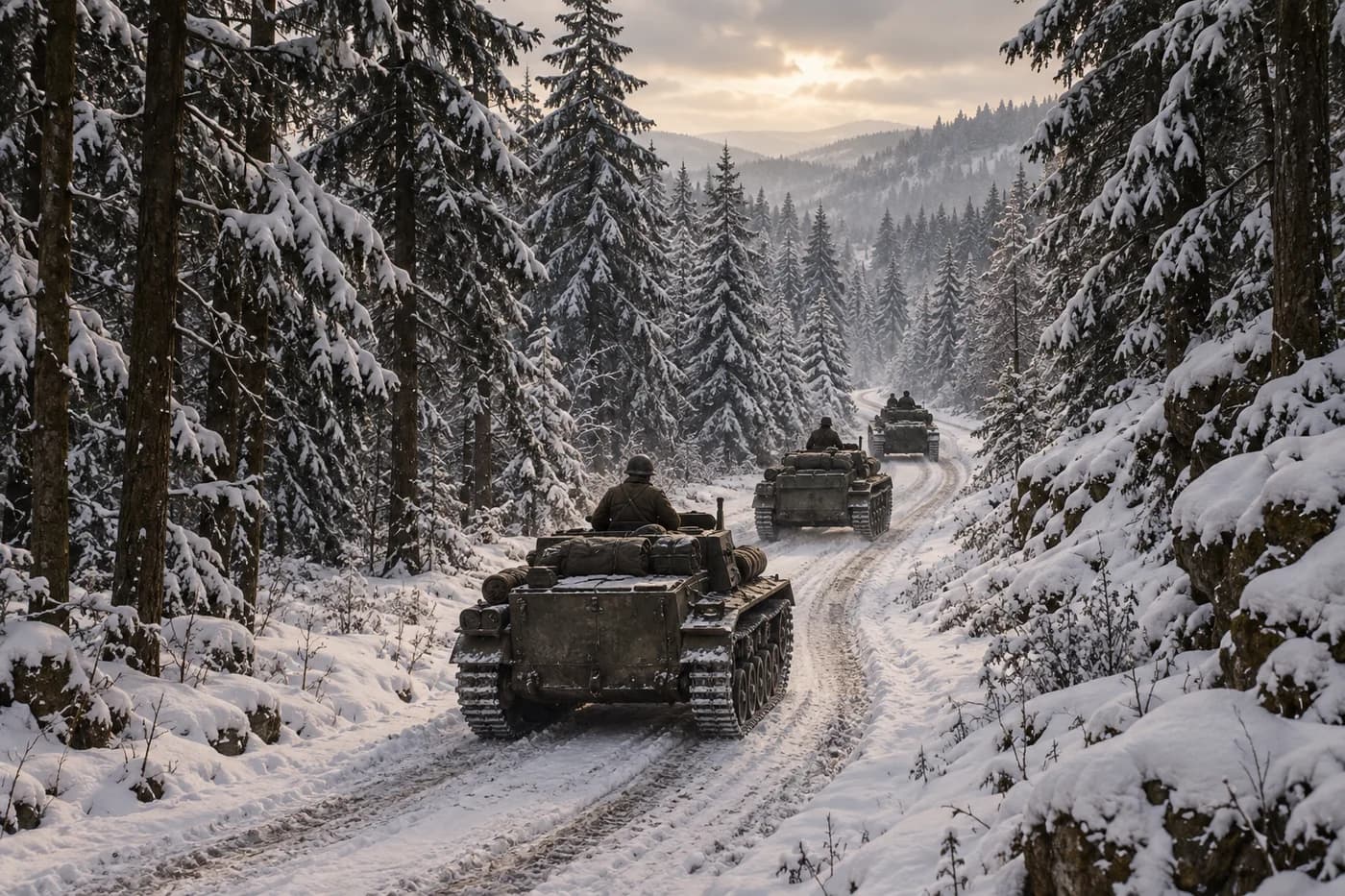
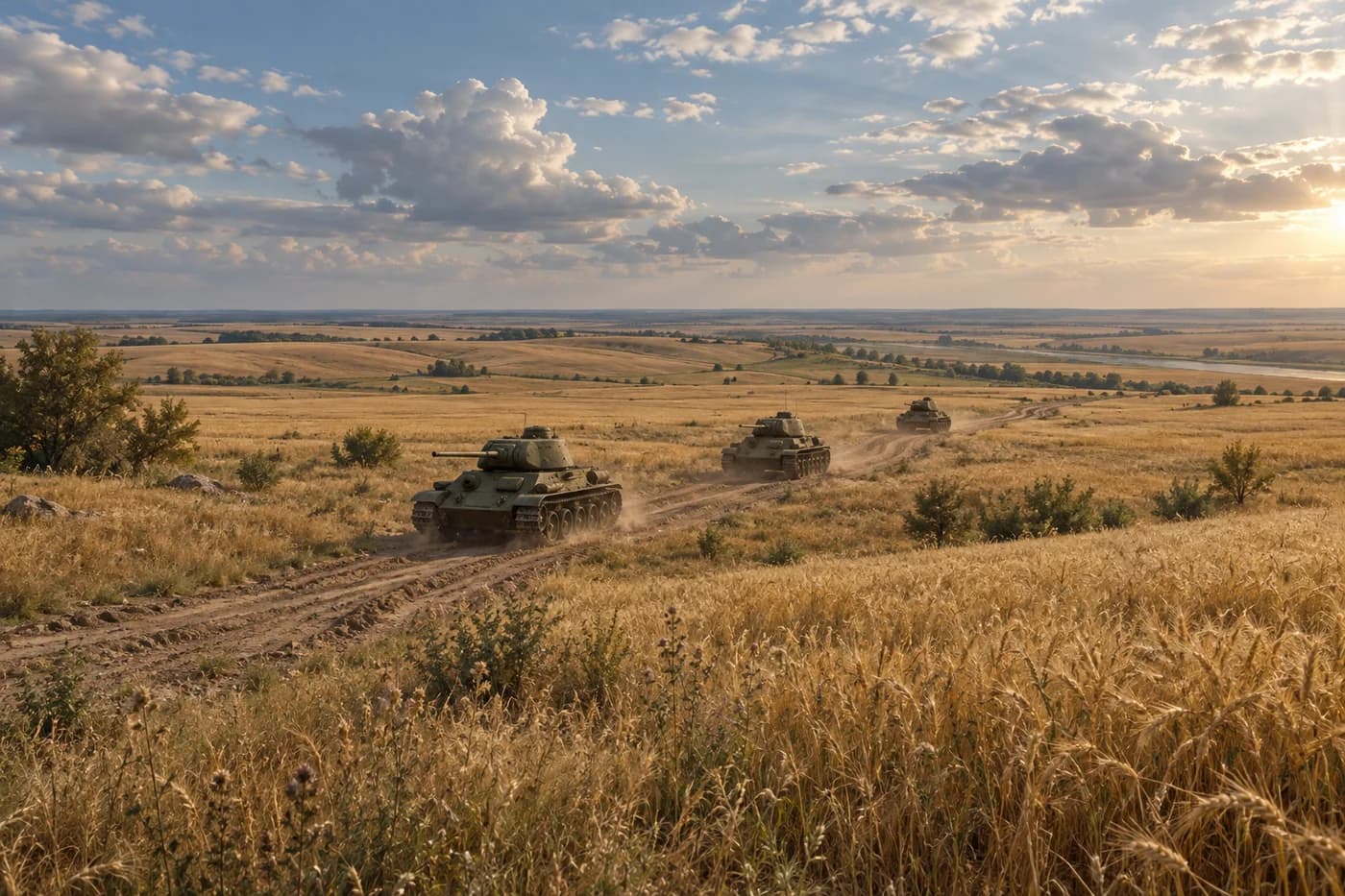
Illustration of a historical armored convoy crossing European countryside
Historical evidence. Structured for inquiry.

Featured research

Historical Combat Database

Historical engagements, forces, equipment, and outcomes — with the source evidence behind them.

Collection details

Study individual engagements with traceable sources, evidence gaps, and differing accounts in view. Built to support quantitative research and model calibration.

Ask about this collection
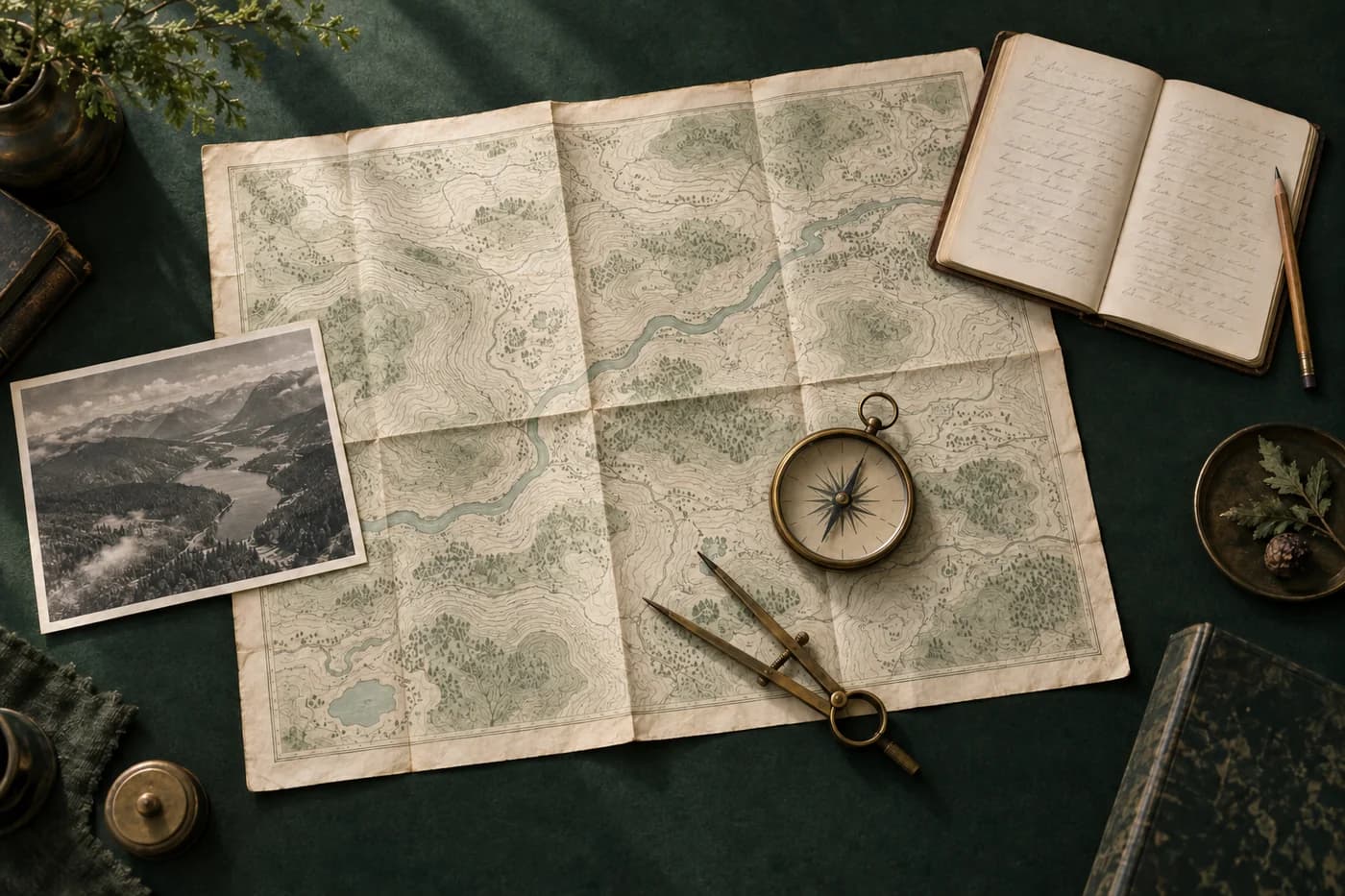
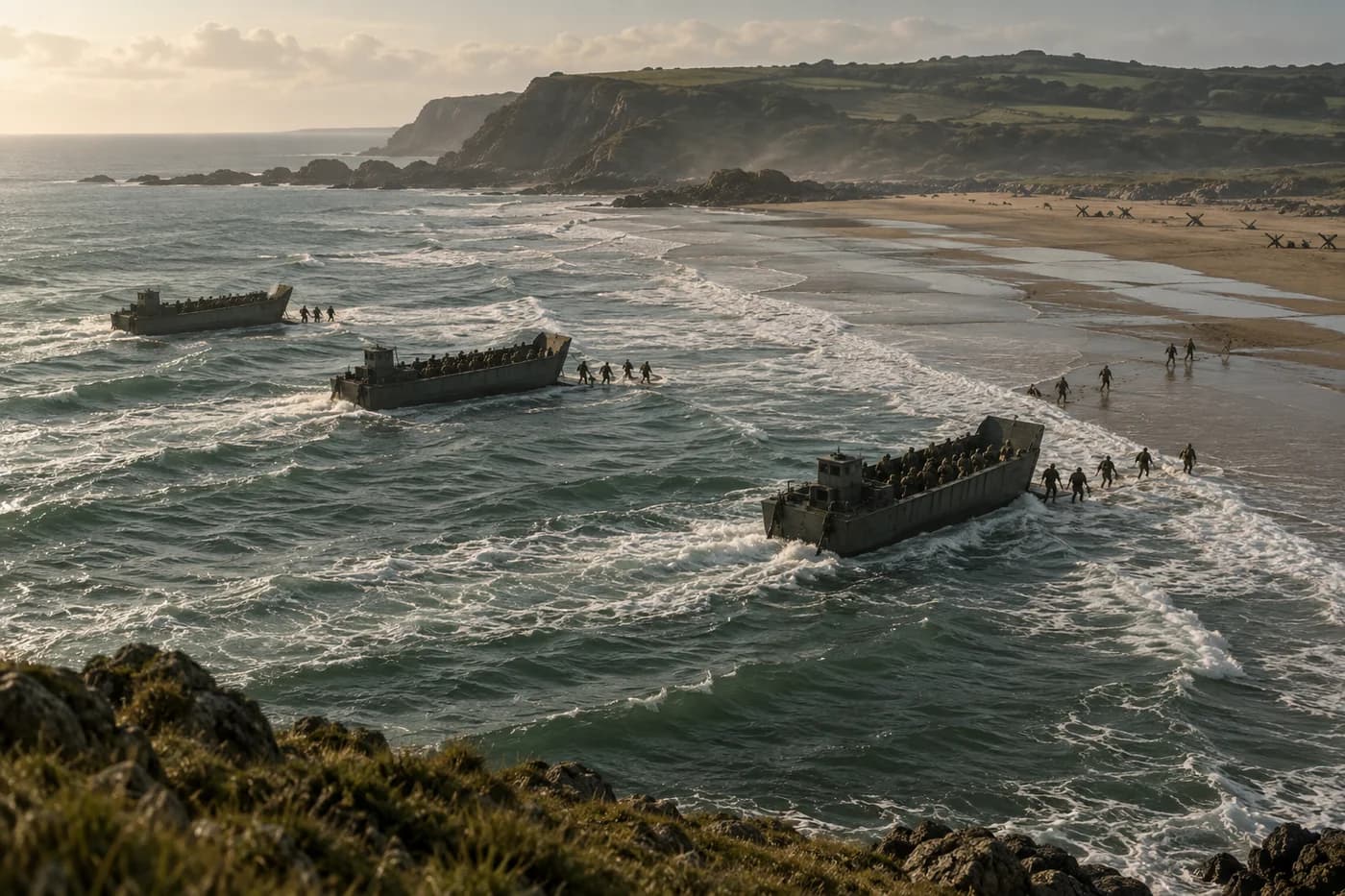
Illustration of historical campaign maps, a field notebook, and cartographic instruments

Campaign Database

Unit records linking campaign chronology, forces, and outcomes.

Campaign chronology, unit organization, strength observations, and operational context connecting individual engagements to the wider campaign.

Ask about this collection

Illustration of landing craft approaching a coastal beach

Amphibious Assault Database

Opposed landings: forces, terrain, sea state, and outcomes.

A historical research collection for comparative study of amphibious operations, with traceable operation records and source-linked research tables.

Ask about this collection

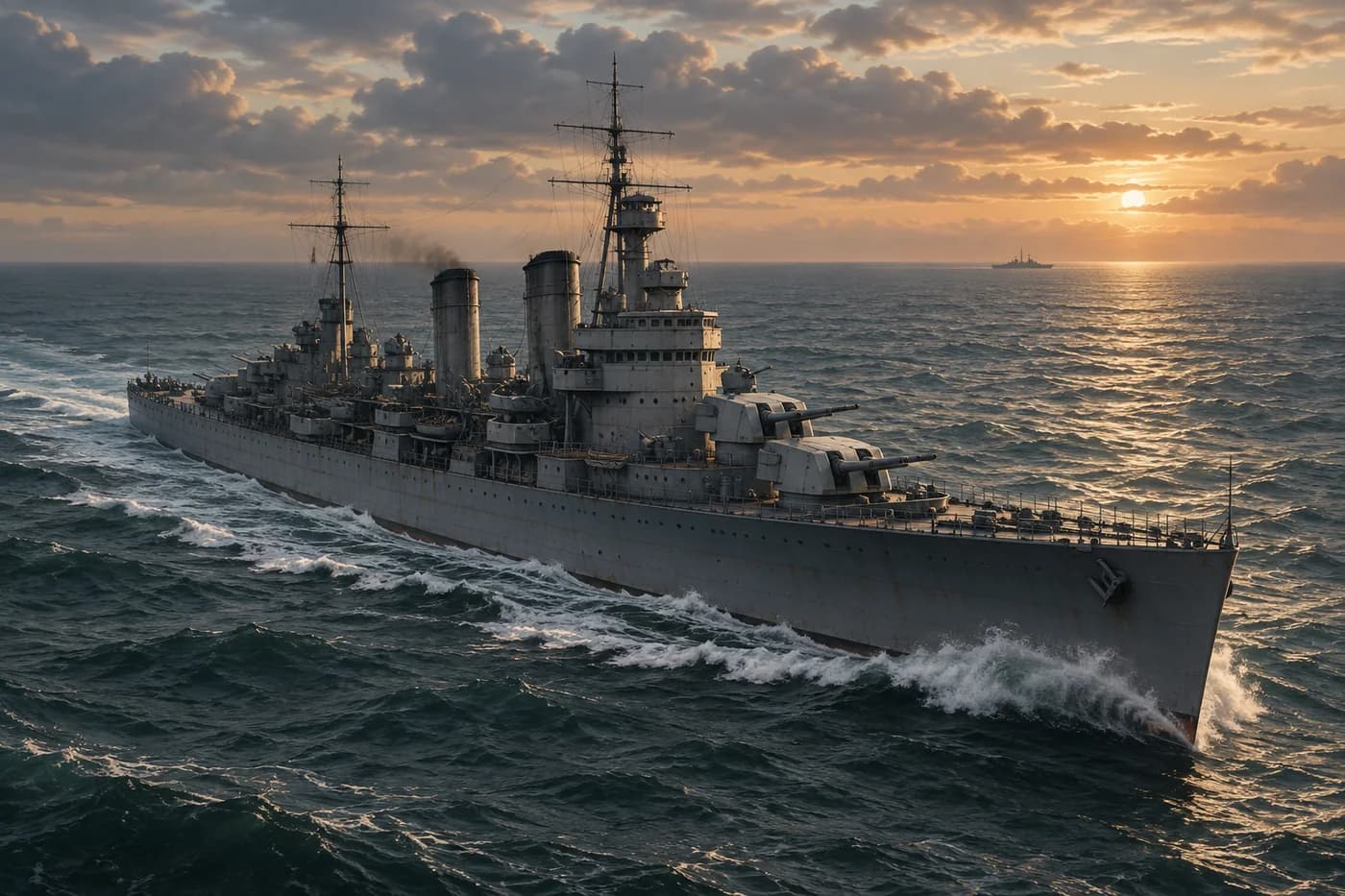
Illustration of a historical cruiser and its wake at sea

Naval Combat System of Record

Fleet engagements, ship-level outcomes, and damage records.

ARGUS naval research connects historical collections, reference data, and source evidence in one system of record. Dataset evidence and modeled outcomes retain their distinct status.

Ask about this collection

Discuss research coverage, sources, and access for your study with the ARGUS team.Collection artwork is illustrative, not archival evidence.

Explore historical research

The people behind ARGUS

Technical depth.
Historical perspective.

Platform builders, data architects, operations researchers, and historians. A team working across disciplines to make complex evidence useful.

Keegan Pearl

Keegan Pearl

Chief Executive Officer & Co-Founder

A veteran and retired law enforcement officer with a master’s degree in public administration, Keegan brings a career of public service to ARGUS. He leads product development, platform engineering, and company strategy, connecting practical experience with the research and technology that help decision-makers evaluate complex problems.

Geoffrey Clark

Chief Data Officer & Co-Founder

Brings 25 years of IT and business intelligence leadership, with expertise in data modeling, database architecture, forecasting, and geospatial analytics. Holds an MBA in supply chain management and logistics.

Ernie Blair

Ernie Blair

Program Manager & Modeling and Simulation Lead

An operations research analyst and program manager with more than 30 years of experience across military domains. His background includes NATO, joint staff exercises, and large simulation programs.

Christopher Davis, Ph.D.

Christopher Davis, Ph.D.

Director of Historical Research & Strategic Analysis

A military historian and strategic analyst whose work spans archival research, irregular warfare, and geopolitical analysis. Previously served with the U.S. Army Center of Military History.

The next decision

What does
success demand?

What must be replenished? What must be replaced? What can be afforded repeatedly?

Bring your operational question or force concept. Walk through the relevant models, evidence, and assumptions with the ARGUS team.

Talk directly with Keegan

Please do not submit classified, sensitive, or operational data. Your inquiry includes the page and campaign link that brought you here.